
Updated on December 08, 2025
Mitochondria are often described as the “powerhouses” of the cell, but for anyone over 30, a better analogy is “batteries”. When these tiny structures are fully charged, you experience steady focus, mental clarity, physical stamina, and a youthful metabolism.
But when their function declines, your vitality drops with it. You don’t just feel tired; you feel “old.” Recognizing early mitochondrial dysfunction symptoms is the critical first step to stopping this decline and reclaiming your energy.
Here is why your cellular engine slows down and exactly how to restart it.
The Engine of Life: ATP Explained Simply
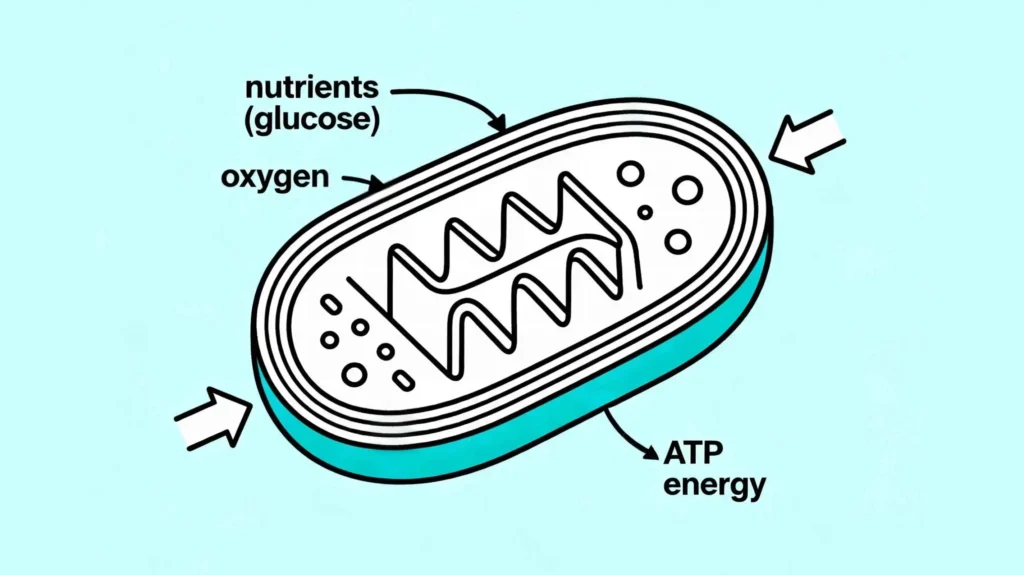
Every action you take—from reading this sentence to walking up stairs—requires fuel. Mitochondria are the factories responsible for creating this fuel, known as ATP (adenosine triphosphate).
Think of ATP as the electricity that powers your biological house.
- Input: Mitochondria take nutrients (from food) and oxygen (from breathing).
- Process: Through cellular respiration, they convert these raw materials into energy.
- Output: ATP powers muscle contraction, brain activity, hormone creation, and cellular repair.
The math is simple: When ATP levels drop, your energy drops.
Key Takeaway: Your body recycles its own weight in ATP every single day. If your mitochondria are inefficient, you will feel the deficit immediately.
Common Mitochondrial Dysfunction Symptoms
Why do you have less energy now than you did ten years ago?. It is likely due to ignoring the signs of cellular decay.
When mitochondria are damaged by aging or lifestyle factors, they become inefficient. Instead of producing clean energy, they produce excess “exhaust” (oxidative stress), which leads to inflammation.
Here are the most common mitochondrial dysfunction symptoms:
- Persistent fatigue that sleep doesn’t fix.
- Brain fog or difficulty focusing.
- Muscle weakness and slower recovery after exercise.
- Lower stress tolerance.
- Feeling older than your actual age.
Because the brain and heart have the highest energy demands, they are often the first tissues to suffer.
Related reading: → Early Signs of Mitochondrial Dysfunction
What Kills Your Energy?
Mitochondria are dynamic; they increase or decrease in number based on how you live. Unfortunately, modern life is designed to damage them. Major factors that accelerate mitochondrial dysfunction symptoms include:
- Aging: Natural wear and tear on cellular machinery.
- Toxins: Exposure to pesticides, pollutants, and processed ingredients.
- Sedentary Lifestyle: If you don’t use energy, your body stops building the machinery to produce it.
- Chronic Stress: Cortisol wears down mitochondrial membranes.
- Nutrient Deficiencies: Lack of specific antioxidants needed to protect the cell.

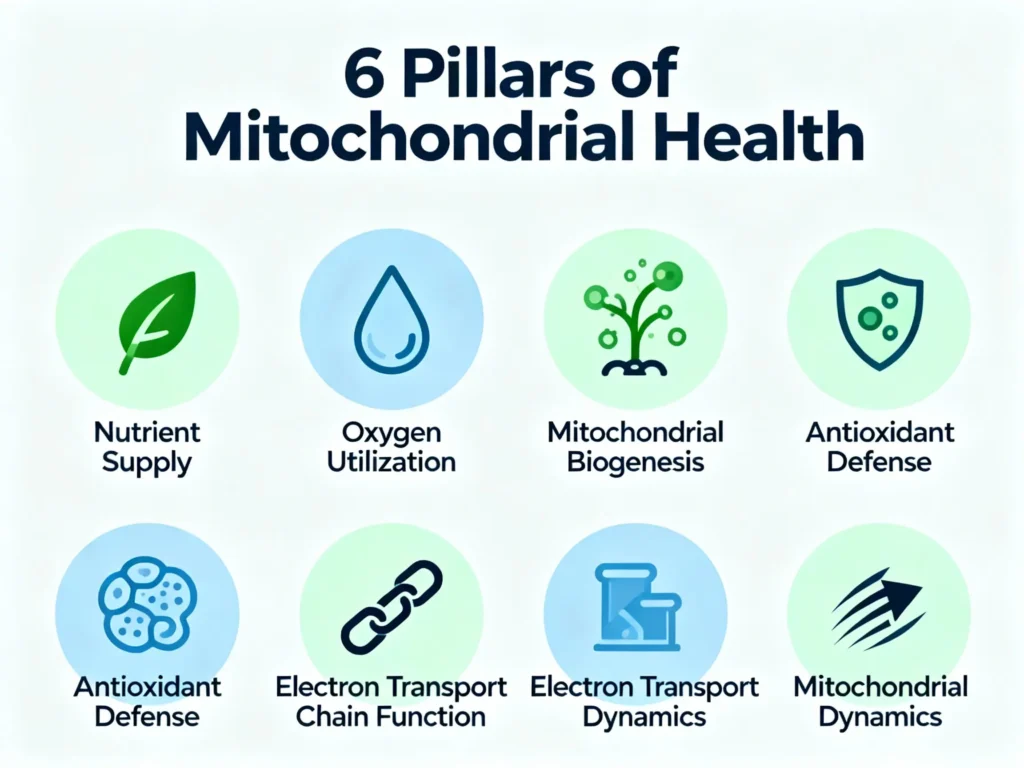
6 Ways to Recharge Your Cells (Protocol)
The most empowering truth about your biology is that you influence it every day. You can slow decline and even stimulate the growth of new mitochondria through specific habits.
1. Eat for “Clean” Energy
You need whole foods rich in antioxidants to protect your cells from rusting (oxidative stress).
- Focus on: Polyphenols found in blueberries, leafy greens, green tea, turmeric, and cacao.
- Avoid: Heavily processed foods that spike inflammation.
2. Move Often
Exercise is the strongest signal to your body to build more mitochondria. Even short 10-minute walks can stimulate ATP pathways.
3. Prioritize Sleep
Sleep is when mitochondrial repair accelerates. Irregular sleep leads to irregular energy production the next day.
4. Manage Light Exposure
Morning sunlight anchors your circadian rhythm, which coordinates mitochondrial timing. Try to get natural light in your eyes within 30 minutes of waking up.
5. Minimize Environmental Toxins
Reduce the load on your cells by switching from plastic to glass containers and minimizing alcohol consumption.
6. Targeted Nutritional Support (The Gap Filler)
While diet is critical, getting therapeutic doses of rare mitochondrial antioxidants from food alone can be difficult. This is often why people continue to experience mitochondrial dysfunction symptoms despite eating well.
This is where advanced support comes in. Formulas like Mitolyn are designed to bridge that gap. By combining six potent ingredients—including Maqui Berry, Rhodiola, and Astaxanthin—Mitolyn targets the root cause of energy decline.
Unlike caffeine, which just stimulates the brain, these ingredients provide the raw materials needed for antioxidant protection and metabolic resilience at the cellular level.
Related reading: → Mitochondrial Vitamins: The Essential Nutrients for Cellular Energy
Final Thoughts
You don’t have to accept fatigue as a normal part of aging. Your mitochondria are listening to the signals you send them every day.
By combining the right habits—movement, sleep, and nutrient-dense foods—with targeted support like Mitolyn, you can strengthen the cellular foundation of your entire body.
Tiny choices today lead to massive energy returns tomorrow.