
Updated on February 09, 2026
The release of the 2025 US Diet Guidelines represents a historic shift in federal nutrition policy — one that aligns more closely with how human biology works and emphasizes real, nutrient-dense foods over industrialized diets. These new recommendations mark a dramatic reorientation toward whole foods, quality protein, healthy fats, and meaningful dietary patterns that support long-term health.
The Trump Administration’s historic reset of federal nutrition policy, as outlined in the 2025–2030 Dietary Guidelines for Americans, emphasizes nutrient-dense whole foods — including high-quality proteins from both animal and plant sources, healthy fats such as avocados and olive oil, and fiber-rich whole grains — while explicitly discouraging highly processed foods, refined carbohydrates, and added sugars, especially for children under four (HHS). This evidence-based approach aims to reverse America’s chronic disease epidemic, where obesity, diabetes, and related conditions drive 90% of healthcare spending, by promoting food choices that could dramatically lower costs and improve life expectancy, steering federal guidance toward prevention rather than intervention.
At Naturalis360, we believe this represents a profound and positive step forward — one that reflects growing scientific consensus and rewards natural, foundational eating habits rather than synthetic shortcuts.
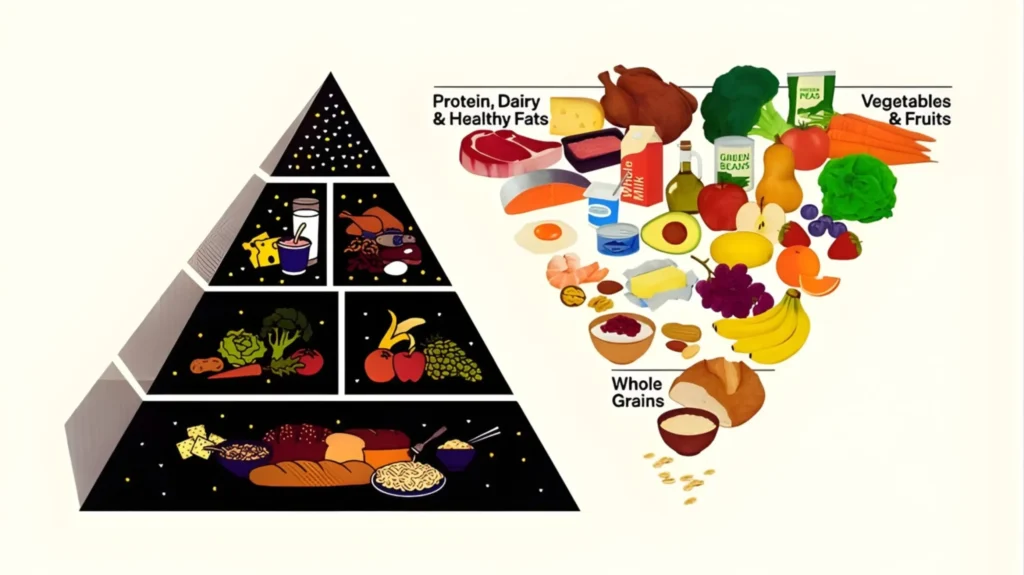
What’s New in the US Diet Guidelines 2025
The 2025 update introduces several meaningful revisions:
1. Emphasis on Nutrient-Dense Whole Foods
The biggest shift is the official prioritization of whole, nutrient-rich foods over processed ones. Rather than focusing simply on calories or macronutrient percentages, the guidelines now encourage patterns that include:
- vegetables and fruits of all colors
- legumes, nuts, and seeds
- high-quality proteins from animal and plant sources
- whole grains and fiber-rich foods
This is a major departure from older models that often lumped all fats or all meats into a single warning category.
2. Healthy Fats Are No Longer Viewed Uniformly as “Bad”
For decades, federal nutrition guidance emphasized low-fat diets. The 2025 guidelines now recognize the value of fats that support satiety, brain function, and hormone balance — including monounsaturated and certain saturated fats from natural sources.
This aligns with evidence suggesting that whole-food fats play a role in metabolic health and sustained energy.
3. Protein’s Central Role in Metabolism and Aging
Protein — a macronutrient essential for tissue repair, immune health, and metabolism — is now more explicitly highlighted. The guidelines underscore:
- meeting adequate daily protein needs
- the importance of amino acid quality
- protein’s role in preserving muscle and metabolic resilience
This focus helps address conditions like age-related muscle loss and the chronic fatigue epidemic.
4. A Nuanced Approach to Carbohydrates
Rather than promoting generic “low-fat” or “low-carb” recommendations, the new US Diet Guidelines distinguish between carbohydrate sources. Fiber-rich, minimally processed carbohydrates — like whole grains, legumes, and vegetables — are encouraged, while added sugars and refined grains are discouraged.
This shift reflects a better understanding of metabolic risk linked to processed carbohydrates.
Why This Matters for American Health
Chronic Disease, Healthcare Burden, and Policy
The United States faces a profound public health challenge: rising rates of obesity, diabetes, cardiovascular disease, and metabolic syndrome. These conditions collectively account for overwhelming healthcare costs and reduced quality of life.
Recent leaders, including public figures such as Robert F. Kennedy Jr., have called for systemic change to national nutrition policy, emphasizing that outdated guidance and corporate influence have contributed to a culture of poor diet quality. While not every statement from public figures aligns with scientific consensus, the broader call for evidence-based dietary guidance resonates with the mounting research on nutrition and disease prevention.
By pivoting toward real food priorities — and away from heavily processed options — the 2025 guidelines support a foundation that can help curb chronic disease trends and improve population health.
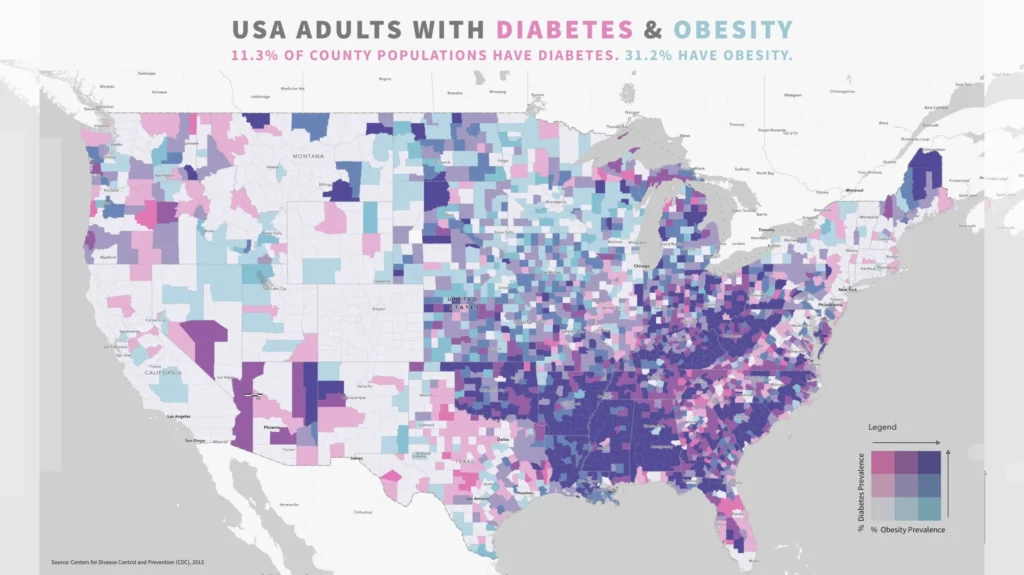
How the 2025 Guidelines Align with Natural Nutrition
At Naturalis360, we’ve long emphasized many principles that are now reflected in this update:
Whole, real foods first.
Vegetables, fruits, legumes, nuts, seeds, and fermented foods nourish your microbiome, feed beneficial bacteria, and support digestion — contributing to energy and resilience.
Quality fats matter.
Healthy fats from olives, avocados, nuts, seeds, and sustainably raised animal sources support brain and cellular function far better than industrial fats or hydrogenated oils.
Protein supports more than muscle.
Protein quality affects immune function, metabolism, mood, and recovery — vital elements that are overlooked in simplistic diet models.
These natural nutrition principles contribute to balanced gut health, hormonal stability, and long-term metabolic support.
For deep insights on gut-centric nutrition, see Gut Health 101 – How to Improve Digestion and Restore Balance.
Practical Ways to Adopt the New Guidelines
Here are actionable ways to make the most of the 2025 recommendations:
Prioritize colorful vegetables and fruits.
Aim for variety at every meal — different colors mean diverse nutrients.
Choose nutrient-dense protein sources.
Lean meats, eggs, fish, dairy (if tolerated), legumes, and nuts.
Include healthy fats daily.
Olive oil, avocados, nuts, seeds, and moderate dairy fats.
Limit added sugars and ultra-processed items.
These contribute to inflammation, metabolic disruptions, and chronic disease.
Balance carbohydrates thoughtfully.
Select fibrous, minimally processed sources that support blood glucose stability.
These steps not only align with the new federal guidance, but they also harmonize with natural approaches that emphasize body support rather than restriction.
What the 2025 Dietary Shift Doesn’t Do
It’s important to clarify what the guidelines are not:
- They are not personalized medical advice — individual needs vary.
- They are not a prescription for every health condition.
- They do not eliminate the need for professional healthcare guidance.
Rather, they serve as a baseline public health strategy that replaces decades of confusion with evidence-based direction.
Learn more about nutrient roles in Probiotics vs Prebiotics: Why This Powerful Duo is Vital for Your Gut?
Final Thoughts
The US Diet Guidelines 2025 are more than a policy update — they represent a paradigm shift in how national health guidance views food, metabolism, and chronic disease prevention. By prioritizing nutrient-dense whole foods, balanced macronutrients, and realistic eating patterns, this new approach offers a path toward improved public health that embraces natural nutrition principles.
At Naturalis360, we see these changes as a positive leap forward — one that aligns federal advice with what biologists and natural health advocates have long recognized: human health thrives on real food, supportive habits, and scientifically grounded dietary patterns.Suggested reading: Mitochondrial Health: The Hidden Key to Energy, Longevity, and Vitality