
Updated on February 09, 2026
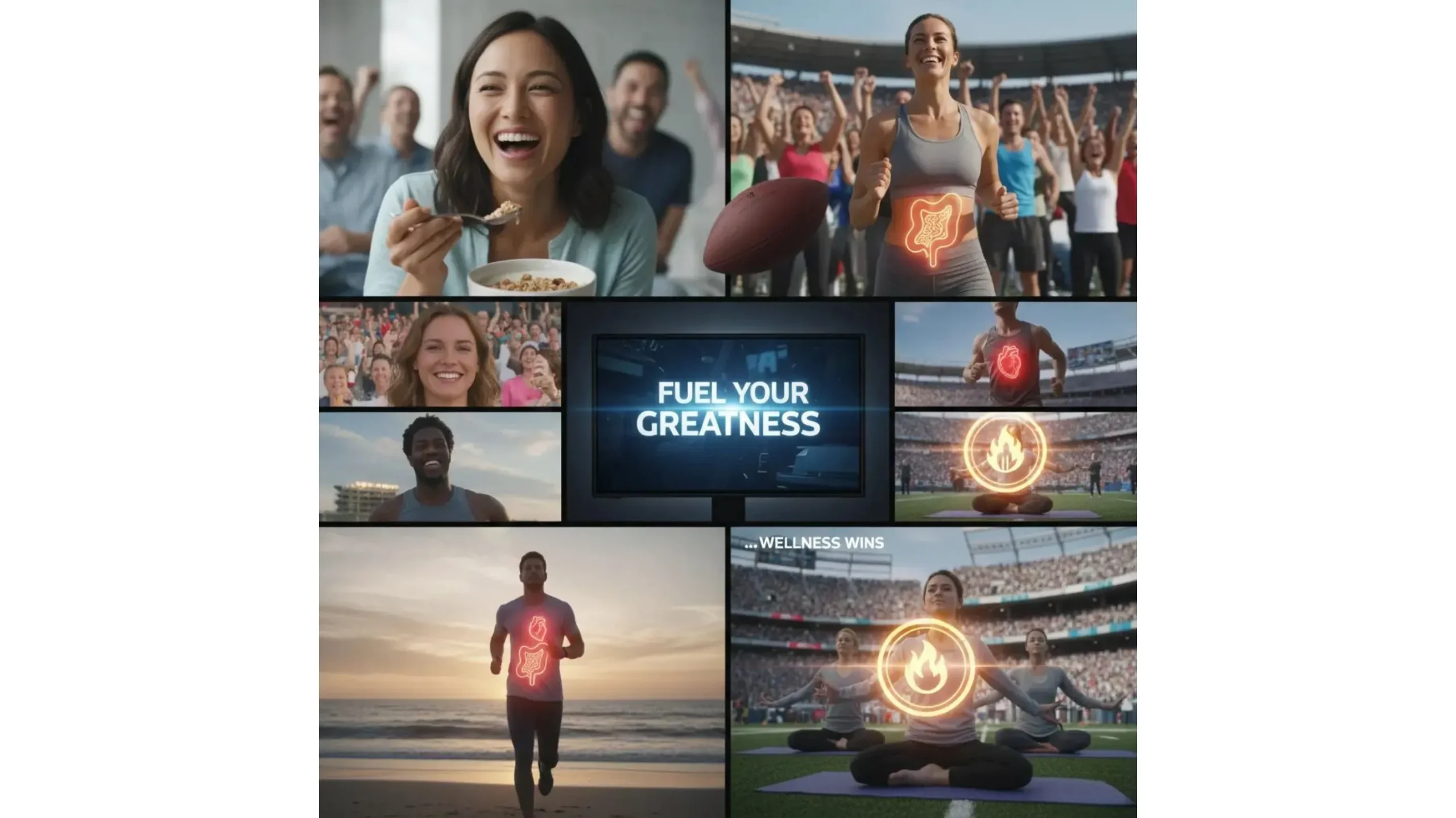
Super Bowl ads aren’t just entertainment — they’re a cultural mirror. Every year, the brands that spend millions for a few seconds of airtime reveal what people fear, desire, and obsess over. And in 2026, one theme stood out louder than ever: health and wellness.
From metabolism and weight-loss messaging to gut health, immune support, and “biohacking” tech, Super Bowl ads showed a public that is more health-conscious — and more overwhelmed — than at any time in recent memory.
But here’s the problem: many of the biggest wellness trends being marketed today push a dangerous idea — that complex health problems can be solved with a quick, artificial fix.
At Naturalis360, we take a different view. We believe the most powerful health strategies are still the most natural ones: food, sleep, movement, stress regulation, and microbiome support. This article breaks down the key wellness themes seen in Super Bowl ads, what they really mean, and what choices are worth trusting long-term.
Why Super Bowl Ads Matter for Health Trends
Super Bowl ads are one of the most expensive forms of marketing on Earth — which means companies don’t guess. They invest in what they know will resonate with millions of people instantly.
So when wellness dominates Super Bowl commercials, it tells us something important:
- People are actively searching for solutions
- Health has become a mainstream obsession
- Modern life is producing more fatigue, stress, and metabolic dysfunction
- Consumers are craving “fast answers” to slow-building problems
And in many cases, those fast answers are being sold in ways that feel more like culture than medicine.
The Biggest Health and Wellness Themes in Super Bowl Ads (2026)
1) Weight Loss Culture Has Evolved — But It’s Still Selling the Same Promise
One of the clearest messages across Super Bowl ads this year was the continued obsession with weight loss — but with a modern twist.
The old marketing was about “dieting.”
The new marketing is about metabolism.
And while that sounds more scientific, it often hides the same emotional hook:
“You can finally fix your body without changing your life.”
This is where we need to be honest.
Many weight-loss trends being promoted today rely on medications and chemical appetite manipulation — approaches that may produce short-term results but come with real concerns:
- limited long-term safety data
- gastrointestinal side effects
- rebound weight gain after stopping
- muscle loss in many users
- psychological dependence on external control
In other words: the modern wellness market is selling “easy” — but biology rarely rewards shortcuts.
The natural alternative is less flashy, but far more reliable:
- stabilizing blood sugar through real food
- restoring gut health
- improving sleep quality
- building lean muscle
- reducing chronic inflammation
These are slow wins — but they’re the kind that actually last.
2) Gut Health Is Now Mainstream (Finally)
Another major trend reflected in Super Bowl ads is the growing focus on digestion and microbiome balance.
That’s a big shift.
Ten years ago, gut health was niche. Now it’s one of the most talked-about wellness topics in the world — and for good reason.
Your gut influences:
- digestion and regularity
- immune function
- inflammation levels
- nutrient absorption
- mood and mental clarity
- energy production
- cravings and appetite signaling
So when Super Bowl ads highlight digestive comfort, bloating, or microbiome support, they’re tapping into a real pain point.
The good news?
Gut health is one of the areas where natural strategies are exceptionally powerful.
For most people, the foundation is:
- fiber diversity
- fermented foods
- stress reduction
- consistent sleep
- avoiding ultra-processed food
Supplements can help too — especially for those who struggle with consistency.
3) “Immune Support” Marketing Is Still Surging
Many Super Bowl ads (and the broader wellness market around them) continue pushing immune support products.
This trend makes sense. People are tired of feeling vulnerable. The last few years trained the public to think about health through the lens of defense.
But immune support marketing often falls into two categories:
The good kind:
- nutrition and whole foods
- gut microbiome support
- sleep and recovery
- vitamin and mineral sufficiency
The questionable kind:
- aggressive stimulant blends
- “mega-dose” gimmicks
- trendy compounds with weak evidence
- products that promise prevention like a drug
At Naturalis360, we always return to a truth that doesn’t sell as fast, but works better:
Your immune system is built daily — not boosted overnight.
4) Health Tech and “Biohacking” Has Become a Lifestyle Identity
Another big pattern in Super Bowl ads is the normalization of health tech.
Sleep trackers, metabolism monitors, wearable rings, and personalized dashboards are now marketed like essentials — not extras.
And while these tools can help, there’s a hidden trap:
When people obsess over metrics, they often forget the basics.
You don’t need a ring to tell you:
- you’re sleeping poorly
- you’re stressed
- you’re not moving enough
- your diet is inflammatory
The most powerful biohacks are still free:
- morning sunlight
- walking daily
- strength training
- protein + fiber
- reducing alcohol
- deep sleep
Tech can support awareness — but it should never replace common sense.
What Super Bowl Ads Reveal About Modern Health Psychology
When you step back, Super Bowl ads reveal more than trends. They reveal how people feel about health right now.
1) People Are Exhausted
Fatigue is everywhere — and the wellness market knows it.
This is why so many health products target:
- energy
- focus
- mood
- motivation
- metabolism
The public is not just trying to “be healthy.”
They’re trying to feel functional again.
2) People Want Control
Modern life makes people feel powerless:
- unpredictable stress
- confusing nutrition advice
- conflicting medical opinions
- expensive healthcare
- constant stimulation
Wellness marketing sells control.
But real control doesn’t come from one product.
It comes from rebuilding foundational biology.
3) People Want Fast Results
This is the biggest theme behind nearly all modern health marketing — including Super Bowl ads.
The problem is: fast results often come from aggressive interventions.
And aggressive interventions often create:
- dependency
- side effects
- long-term metabolic disruption
- rebound effects
Natural strategies may be slower — but they don’t fight the body.
They support it.
The Naturalis360 Perspective: Natural First, Always
We’re not anti-innovation. We’re anti-shortcut culture.
If you want long-term wellness, your body needs:
- nutrients
- recovery
- movement
- microbial balance
- stable blood sugar
- low chronic inflammation
No medication, gadget, or trendy formula can replace those.
The best health strategy is the one you can sustain for years — not weeks.
What You Can Learn From These Trends (Without Falling for the Hype)
Here are the smartest takeaways you can apply immediately:
1) Don’t confuse popularity with safety
If something is everywhere, it doesn’t mean it’s risk-free.
2) Don’t let ads define your health priorities
Ads sell emotions. Your health requires reality.
3) Build your health around foundations
Start with sleep, real food, daily movement, gut support, and stress regulation — and your body will do what it was designed to do: recover naturally.
4) Use supplements strategically
Supplements can help fill gaps — but they should support the body, not override it.
According to the CDC, lifestyle factors like sleep, nutrition, and movement remain core drivers of long-term health.
Final Thoughts
Super Bowl ads reflect the health anxieties of modern life — but they also reveal something hopeful: people care more than ever about feeling better.
The key is choosing solutions that don’t trade long-term health for short-term results. When you prioritize natural foundations — digestion, recovery, movement, and real nutrition — you build the kind of wellness no trend can replace.