
Updated on January 23, 2026
Leaky gut symptoms often develop quietly. At first, they may look like simple digestive discomfort or unexplained fatigue. Over time, however, this condition can affect immunity, mood, skin, metabolism, and overall resilience.
Understanding leaky gut symptoms early is critical. The sooner you recognize the signs, the easier it becomes to restore gut integrity and prevent broader health issues from developing.

What Is “Leaky Gut” and Why It Happens
“Leaky gut” is a common term for increased intestinal permeability. Under healthy conditions, the gut lining acts as a selective barrier — allowing nutrients to pass into the bloodstream while keeping toxins, pathogens, and undigested particles out.
When this barrier weakens, microscopic gaps form between intestinal cells. As a result, substances that should remain inside the gut can leak into circulation, triggering immune responses and systemic inflammation.
Several modern factors contribute to this process, including chronic stress, ultra-processed diets, poor sleep, frequent antibiotic use, alcohol, and ongoing inflammation. Over time, these stressors overwhelm the gut’s natural repair mechanisms.
In simple terms: when the gut barrier breaks down, the entire body feels the consequences.
🔗 Suggested reading: Gut Health 101 – How to Improve Digestion and Restore Balance
Common Leaky Gut Symptoms and Triggers
Leaky gut symptoms rarely appear all at once. They tend to build gradually and often overlap with other conditions, which is why they’re frequently overlooked.
Digestive Symptoms
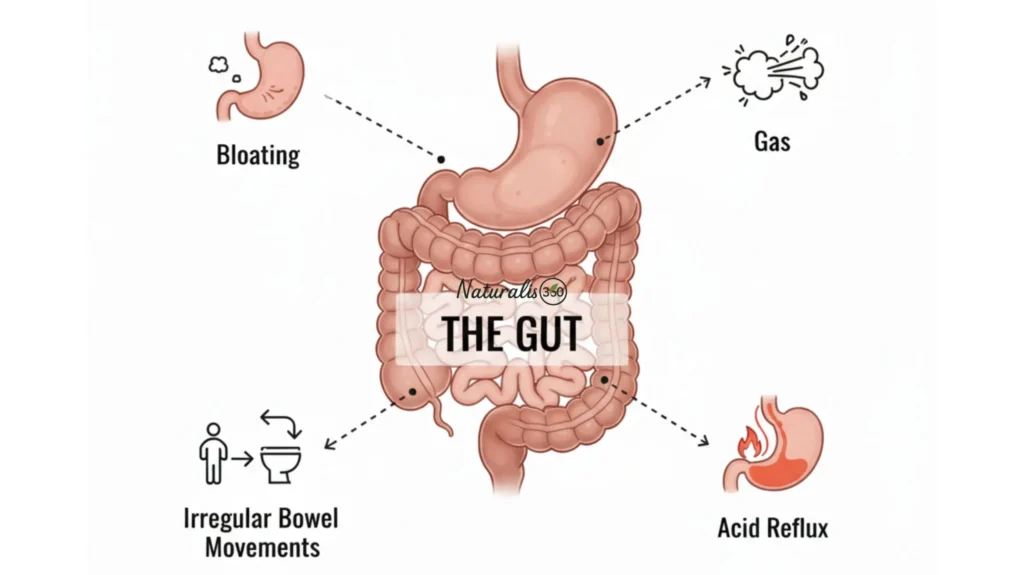
Many people first notice leaky gut symptoms through digestion-related issues. These include frequent bloating after meals, excessive gas, abdominal discomfort, constipation, diarrhea, or alternating bowel patterns. Food sensitivities — especially to gluten, dairy, or high-fiber foods — may also emerge unexpectedly.
When the gut lining becomes inflamed, digestion slows and enzymes function less efficiently, increasing fermentation and discomfort.
Systemic and Non-Digestive Symptoms
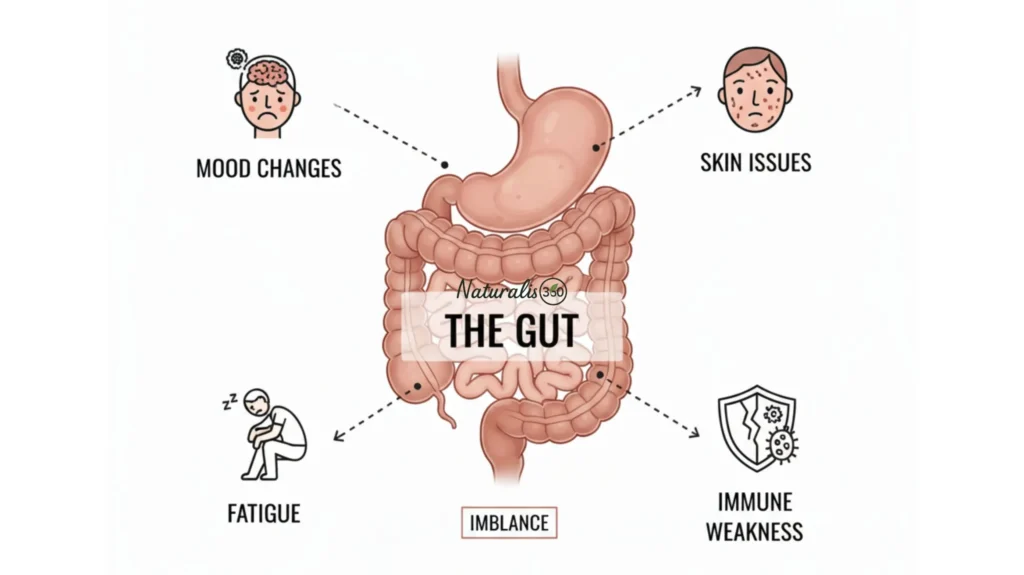
Because the gut plays a central role in immune regulation and neurotransmitter production, leaky gut symptoms extend far beyond digestion.
Common systemic signs include persistent fatigue, brain fog, headaches, joint stiffness, skin issues like acne or eczema, and increased sensitivity to stress. Mood changes, anxiety, and low motivation are also frequently reported due to disruption of the gut–brain axis.
🔗 Suggested reading: Signs of Poor Gut Health (and How to Fix Them Naturally)
Healing Through Food, Rest, and Supplements
Repairing the gut barrier is not about extreme detoxes or aggressive protocols. Sustainable healing comes from lowering inflammation, supporting the intestinal lining, and restoring microbial balance.
Nutrition That Supports Gut Repair
Food is one of the most powerful tools for reducing leaky gut symptoms. A gut-healing diet focuses on whole, anti-inflammatory foods that nourish intestinal cells and beneficial bacteria.
Emphasize fiber-rich vegetables, fermented foods, healthy fats like olive oil, omega-3s, and polyphenol-rich foods such as berries and green tea. At the same time, reducing alcohol, refined sugars, artificial sweeteners, and ultra-processed foods helps calm ongoing irritation.
Sleep, Stress, and Lifestyle Factors
Chronic stress is one of the fastest ways to worsen leaky gut symptoms. Elevated cortisol disrupts digestion, weakens tight junctions in the gut lining, and alters the microbiome.
Consistent sleep, gentle movement, sunlight exposure, and stress-regulation practices (like walking, breathing exercises, or quiet time) all signal safety to the nervous system — allowing the gut to repair itself more efficiently.
When Supplements Can Help Fill the Gaps
Even with strong dietary habits, many people struggle to meet their gut’s repair needs consistently. Busy routines, food sensitivities, or long-standing imbalance often make targeted supplementation helpful.
Certain compounds — such as probiotics, prebiotics, postbiotics, and gut-supportive nutrients — can help reinforce the intestinal barrier, reduce inflammation, and restore microbial balance.
For those who find it difficult to combine multiple foods or supplements daily, all-in-one formulas can simplify this process. Products like PrimeBiome, which combine multiple microbiome-supporting elements into a single routine, are often chosen for convenience and consistency — two key factors in long-term gut healing.
🔗 Suggested reading: The Complete Guide to Gut Probiotics, Prebiotics & Postbiotics for Better Digestion
How Long Does It Take to See Improvement?
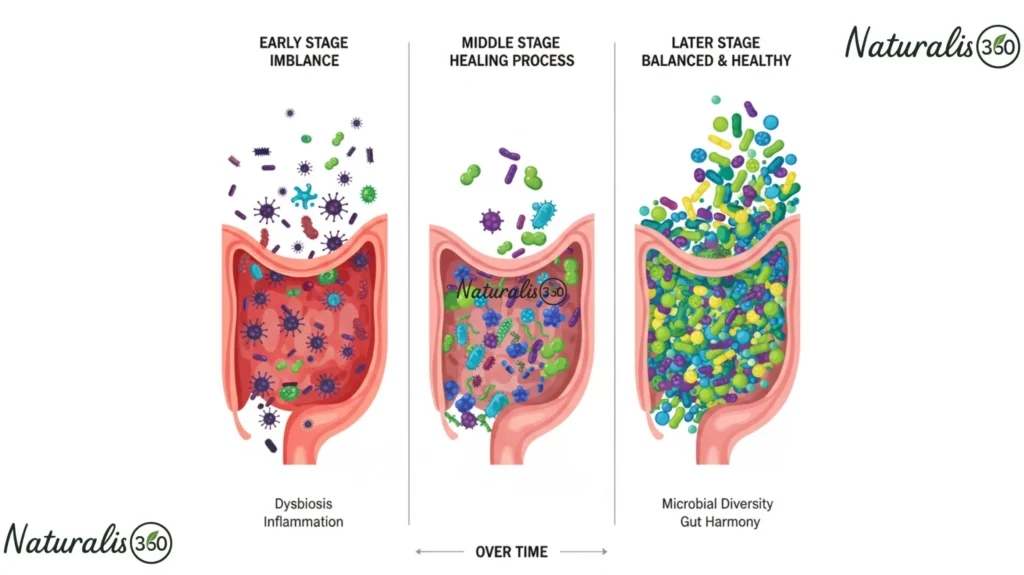
Leaky gut symptoms don’t resolve overnight, but improvement is often noticeable within a few weeks when supportive habits are applied consistently. Digestive comfort, energy levels, and mental clarity are usually the first areas to improve.
Long-term healing depends on reducing ongoing triggers while reinforcing the gut barrier daily. Small, steady changes are far more effective than aggressive short-term fixes.
Final Thoughts
Leaky gut symptoms are your body’s way of signaling that the intestinal barrier needs support. When you address the root causes — nutrition, stress, sleep, and microbial balance — you don’t just improve digestion. You strengthen the foundation of overall health.