
Updated on: december 18, 2025
Gut health is no longer just about digestion. It influences how you absorb nutrients, how strong your immune system is, how stable your mood feels, and even how much energy you have throughout the day. When your gut is balanced, your body works with you. When it’s not, symptoms quietly begin to pile up — bloating, irregular digestion, fatigue, food sensitivities, brain fog, and low resilience.
This guide explains how gut health actually works, why so many people struggle with it today, and the most effective ways to restore microbiome balance naturally — without extreme diets or confusing protocols.
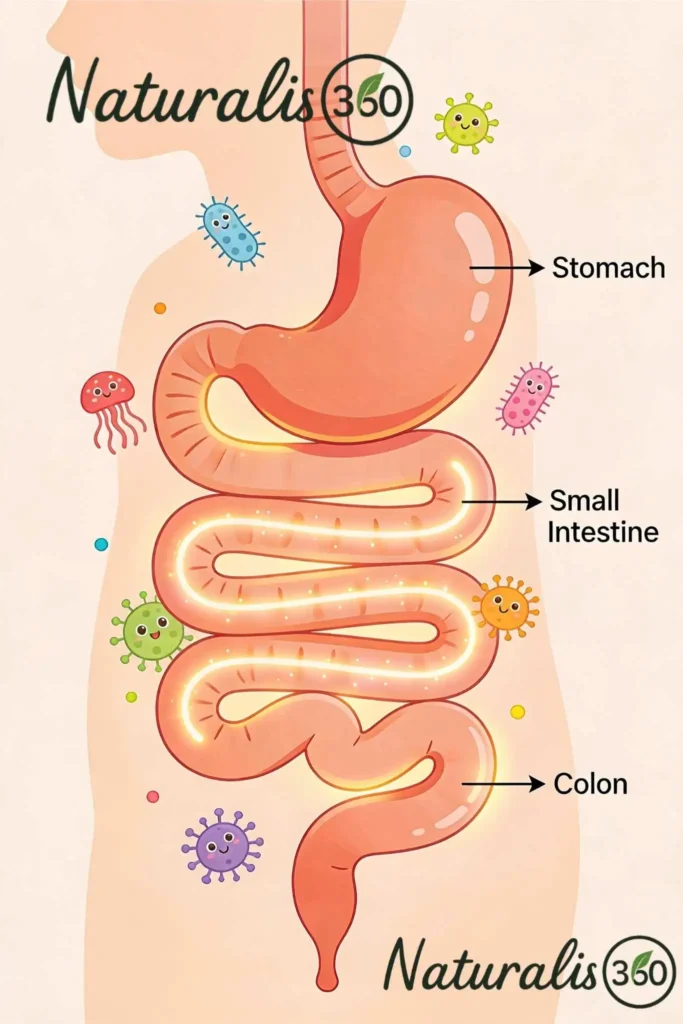
Why Gut Health Matters for Overall Wellness
Your gut is not just a tube that processes food. It’s a complex ecosystem that communicates constantly with your immune system, brain, hormones, and metabolism. In fact, more than 70% of your immune cells live in the gut, and a large portion of neurotransmitters related to mood and motivation are produced there.
When gut health is strong, digestion feels predictable, energy remains steadier, and inflammation stays under control. When the microbiome becomes imbalanced, the gut barrier weakens, nutrient absorption drops, and inflammatory signals begin to spread throughout the body.
That’s why gut issues rarely stay confined to the digestive system — they ripple outward.
A balanced gut microbiome contributes to overall wellness through several key roles:
- Immune Function Support: Over 70% of immune cells reside in the gut, making microbiome balance essential for disease resistance.
- Nutrient Processing: Gut bacteria assist in breaking down nutrients, producing vitamins, and supporting metabolic functions.
- Brain–Gut Communication: The gut produces up to 90% of serotonin, influencing mood, sleep, and cognition.
- Inflammation Regulation: Healthy gut flora helps control systemic inflammation, reducing long-term health risks.
How the Gut Microbiome Works
The gut microbiome is a dynamic community of over 100 trillion microorganisms—bacteria, fungi, viruses, and other microbes—that inhabit the digestive tract. These microorganisms interact closely with the body, forming a symbiotic relationship that impacts digestion, metabolism, immunity, and even hormonal balance.
Key elements of the microbiome include:
- Commensal bacteria that maintain gut lining integrity and support immunity.
- Probiotic strains that help regulate digestion, reduce inflammation, and maintain microbial balance.
- Prebiotic fibers act as fuel for beneficial bacteria.
- Short-chain fatty acids (SCFAs) produced during fermentation are essential for colon health and metabolic stability.
When the microbiome is diverse and well-balanced, digestion remains stable, inflammation stays low, and the gut barrier functions properly. When diversity declines—often due to stress, diet, medication use, or illness—digestive discomfort and systemic symptoms may follow.
Common Causes of Imbalance
Gut imbalance doesn’t always look dramatic at first. Many people normalize symptoms for years without realizing they stem from microbiome disruption.
Some of the most common signs include persistent bloating, gas, constipation or loose stools, food sensitivities, low energy after meals, frequent cravings, skin flare-ups, and a general sense that digestion feels unpredictable.
Over time, poor gut health can also influence immunity, mood stability, and metabolic health — even if digestion itself seems only “mildly” affected.
The most frequent contributors include:
- Poor Diet Quality: Diets high in sugar, processed foods, and artificial additives disrupt microbial diversity and promote harmful bacteria.
- Chronic Stress: Stress hormones and constant sympathetic activation impair digestion and alter gut bacteria.
- Lack of Sleep: Irregular sleep cycles disrupt circadian rhythms, affecting the gut’s natural repair processes.
- Medication Use: Antibiotics, proton pump inhibitors, and certain painkillers can reduce beneficial bacterial populations.
- Sedentary Lifestyle: Low physical activity slows intestinal motility and contributes to discomfort and bacterial imbalance.
- Environmental Toxins: Pesticides, pollutants, and food additives may negatively influence gut microbial health.
Understanding these causes allows you to take targeted action toward restoring microbiome balance and improving digestion naturally.
🔗 Related reading → The Complete Guide to Gut Probiotics, Prebiotics & Postbiotics for Better Digestion
Steps to Improve Gut Health Naturally
Restoring gut health doesn’t require extreme elimination diets or complicated protocols. It starts with consistent, supportive habits that reduce stress on the microbiome and help beneficial bacteria thrive.
Focus on whole foods rich in fiber and polyphenols, including vegetables, legumes, fruits, olive oil, and fermented foods. Stay hydrated, move your body daily to support intestinal motility, and prioritize quality sleep — a key driver of gut repair. Managing stress matters just as much as diet, because the gut and brain are tightly connected through the gut–brain axis.
Small, steady changes tend to work far better than aggressive short-term interventions.
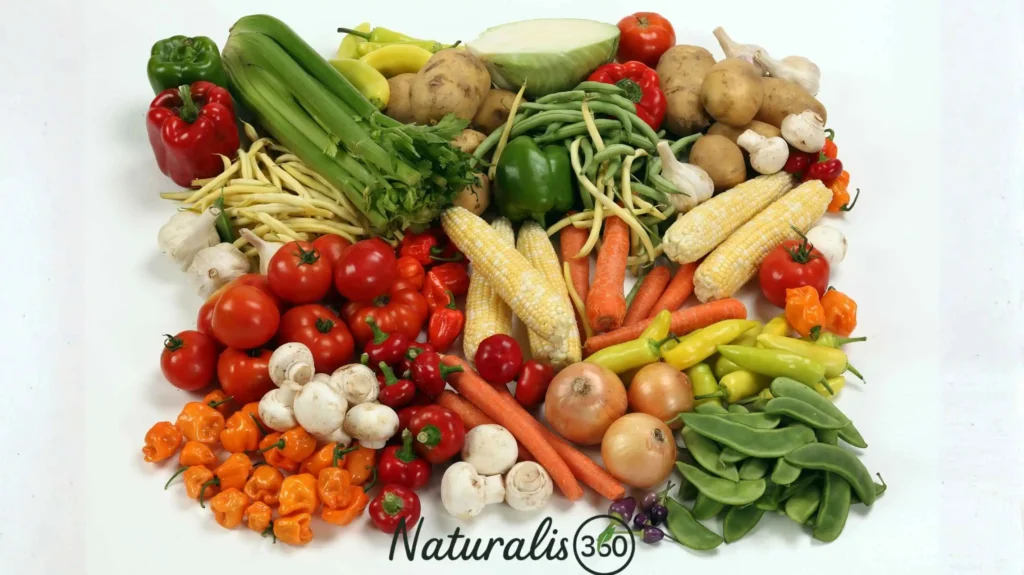
Diet and Hydration
Nutrition is the single most powerful factor influencing gut health. What you eat either nourishes beneficial bacteria or promotes imbalance. To improve digestion naturally, focus on whole foods, fiber-rich ingredients, and fermented products that feed and diversify the microbiome.
Key dietary strategies include:
- Increase Fiber Intake: Soluble and insoluble fibers support bowel regularity and fuel beneficial bacteria.
- Introduce Fermented Foods: Yogurt, kefir, sauerkraut, kimchi, and tempeh provide naturally occurring probiotics.
- Reduce Processed Foods and Sugars: These encourage the growth of harmful bacteria and trigger inflammation.
- Eat Prebiotic-Rich Vegetables: Garlic, onions, asparagus, leeks, and bananas support microbiome balance.
- Stay Hydrated: Water helps regulate bowel movements and supports mucosal lining integrity.
Sleep, Stress, and Exercise
A healthy gut requires a balanced lifestyle. Stress hormones disrupt digestion, poor sleep damages microbiome diversity, and inactivity slows metabolic processes. To restore microbiome balance, consider the following lifestyle adjustments:
- Prioritize Consistent Sleep: Aim for 7–9 hours nightly to allow the gut to repair and restore.
- Practice Stress-Reduction Techniques: Meditation, breathwork, and mindfulness help regulate the gut-brain axis.
- Move Daily: Walking, yoga, and moderate exercise support motility and encourage microbial diversity.
Supplements That Support Gut Balance
Even though good diet and lifestyle habits are essential for rebuilding your microbiome, many people — especially those with long-standing digestive issues — benefit from targeted supplements that support digestion, microbial diversity, and gut barrier integrity.
Probiotics – Help Replenish Beneficial Bacteria
Probiotics contain live bacterial strains that can help restore microbial balance, support regularity, and reduce bloating or gas. A diverse probiotic blend can be a foundation for gut health support.
👉 Best-selling probiotic on Amazon (Physician’s Choice Probiotics 60 Billion CFU – multi-strain formula with organic prebiotics for digestive and immune support — designed to survive stomach acid and help balance gut flora.)
Prebiotics – Fuel for Beneficial Bacteria
Prebiotics are fibers that beneficial bacteria ferment for energy. Including prebiotics in your routine can help probiotics thrive and support overall microbial diversity, which is key for long-term gut balance.
👉 Popular prebiotic option on Amazon (BioSchwartz Prebiotics for Advanced Gut Health – supports growth of good gut bacteria and helps with regularity and digestive comfort.)
Digestive Enzymes – Help Break Down Foods Efficiently
Digestive enzymes can assist when your body struggles to break down fats, proteins, or carbohydrates, which can reduce bloating, gas, and discomfort after meals.
👉 Well-rated digestive enzyme supplement on Amazon (Zenwise Health Digestive Enzymes – blends enzymes with probiotics and prebiotics to support digestion, reduce bloating, and help your system break down meals more efficiently.)
Gut-Supportive Nutrients – Help Protect the Intestinal Barrier
Nutrients like L-glutamine and zinc carnosine can help maintain the integrity of the intestinal lining, reduce irritation, and support repair of the gut barrier — which is often compromised with long-term imbalance.
👉 Best-selling supportive nutrient (Nature’s Bounty L-Glutamine Powder – helps support the intestinal lining and may be useful for people with digestive discomfort and recovery needs.)
All-in-One Synbiotics (Probiotic + Prebiotic)
If you want simpler support that combines probiotics and prebiotics in one product, synbiotic formulas can help introduce beneficial strains and feed them at the same time.
👉 Top synbiotic blend on Amazon (Seed DS-01 Daily Synbiotic – combines 24 probiotic strains with prebiotic support, shown to support digestive comfort, immune health, and microbiome stability.)
Choosing What’s Right for You
Each supplement type plays a slightly different role in gut health:
- Probiotics help introduce beneficial bacteria.
- Prebiotics nourish those bacteria so they can thrive.
- Digestive enzymes make meals easier to break down and absorb.
- Gut-supportive nutrients help protect and repair the gut lining.
- Synbiotics combine elements for convenient daily support.
Most people benefit from a combination approach tailored to their symptoms (e.g., bloating, irregularity, gas). Supplements can complement diet and lifestyle changes — they aren’t meant to replace whole-food foundations, but they can help accelerate improvements in digestion and microbiome balance.
Where All-in-One Formulas Like PrimeBiome Fit In
For those who prefer simplicity, all-in-one gut health formulations combine multiple supportive elements into a single daily supplement. Products like PrimeBiome are designed to support microbiome balance, digestive comfort, and gut barrier integrity through a multi-strain, multi-ingredient approach.
This can be especially appealing for people who don’t want to manage several separate supplements or who are looking for a more streamlined routine.
👉 Here you can learn how PrimeBiome is formulated to support gut health and microbiome balance.
Final Thoughts – Balance Begins in the Gut
Gut health influences far more than digestion — it shapes how your body absorbs nutrients, manages inflammation, and communicates internally. When your microbiome is supported, the rest of your systems tend to follow.
By understanding how gut health works and taking consistent steps to restore balance — through food, lifestyle, and targeted support — you address one of the most powerful foundations of long-term wellness.