
Updated on: december 06, 2025
These small, science-backed habits help your cells make and recycle energy — so your body can stay sharper, stronger, and younger from the inside out.
Introduction — Why Your Energy Starts Inside the Cell
Healthy mitochondria are the true foundation of steady energy, clear thinking, and resilient health. If you wake up tired, crash mid-afternoon, or feel foggy despite good sleep, the issue often begins at the cellular level. Mitochondria convert food and oxygen into ATP — the energy currency that powers every cell. When we prioritize habits that preserve and nourish mitochondria, we unlock more consistent focus, better recovery, and a steadier mood.
Below are seven daily habits — grounded in science — that help you build and maintain healthy mitochondria so you can feel energetic and vital every day.
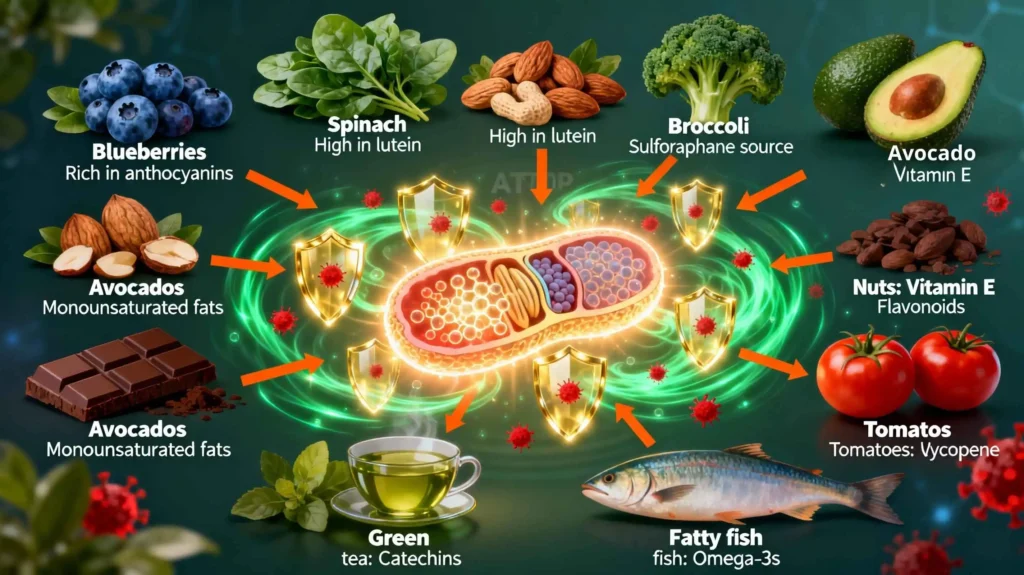
1) Eat Whole, Antioxidant-Rich Foods
Food becomes the raw material for ATP; antioxidant-rich choices protect mitochondrial membranes from oxidative damage. Prioritize colorful vegetables, berries, wild-caught fatty fish, olive oil, nuts, and seeds. These foods deliver polyphenols, omega-3s, and minerals like magnesium and selenium — all essential for healthy mitochondria.
Practical tip: make half your plate vegetables, add a source of healthy fat, and include a quality protein at each meal. Swap desserts for berries and replace seed oils with extra-virgin olive oil.
2) Move Daily — Mix Zone 2, HIIT, and Active Recovery
Exercise is the most reliable trigger for mitochondrial biogenesis (the creation of new mitochondria). Zone 2 cardio (a comfortable, steady pace) stimulates fat oxidation and endurance-related mitochondrial adaptations. HIIT (short, intense intervals) boosts enzyme activity and sparks mitochondrial growth in different muscle fibers. Recovery movement, walking after meals, and breathwork improve oxygenation and redox balance — key to mitochondrial resilience.
Pro tip: aim for 150 minutes of moderate movement weekly, include 1–2 HIIT sessions, and prioritize daily light activity if you sit a lot. These consistent efforts are the backbone for healthy mitochondria across the lifespan.

3) Prioritize Sleep and Support Circadian Rhythm
Nighttime is when cells repair and mitochondria clear damaged proteins. Disrupted sleep impairs these repair processes and raises oxidative stress. Keep a consistent sleep-wake schedule, dim lights after sunset, and create a cool, dark bedroom. Consider magnesium glycinate or glycine at night for sleep quality — these nutrients also assist mitochondrial enzymes and recovery.
Better sleep equals better cellular repair — the single most overlooked habit for maintaining healthy mitochondria.
4) Manage Stress, Reduce Toxins, and Foster Recovery
Chronic stress increases cortisol, which accelerates mitochondrial wear through inflammation and reactive oxygen species. Long-term exposure to environmental toxins (heavy metals, pesticides, plasticizers) also undermines mitochondrial DNA and membranes. Daily practices — meditation, prayer, nature walks, and controlled breathing — lower stress. Minimize toxin load by choosing whole foods, limiting packaged products, and preferring glass or stainless steel for food storage.
Less stress and fewer toxins mean mitochondria can focus on energy creation instead of damage control — a core principle for sustaining healthy mitochondria.

5) Smart Supplement Support — Targeted Cofactors and Antioxidants
Habits come first, but thoughtful supplements accelerate repair and performance when used intelligently. Below are strategic nutrient allies and natural insertion points to support mitochondrial function.
- CoQ10 — supports electron transport and protects membranes.
If you want a well-absorbed CoQ10 for steady cellular energy, check this Qunol Ultra CoQ10. 👉 FIND HERE - PQQ — promotes mitochondrial biogenesis and pairs well with CoQ10.
For mitochondrial growth and long-term vitality, see this PQQ option. 👉 FIND HERE - B-Complex — essential cofactors for ATP-producing enzymes.
Fill daily gaps with a balanced B-complex like Nature’s Bounty Super B-Complex. 👉 FIND HERE - Alpha-Lipoic Acid (ALA) — recycles antioxidants and supports mitochondrial enzymes.
For antioxidant support and mitochondrial activity, consider ALA 600 mg. 👉 FIND HERE - Carnitine (ALCAR) — moves fatty acids into mitochondria for fuel, great for brain and endurance.
For cleaner energy and cognitive support, ALCAR is a top choice. 👉 FIND HERE
Strategic note: Combining CoQ10 + PQQ targets both immediate electron flow and long-term mitochondrial growth. For readers who prefer an integrated product, Mitolyn is an all-in-one formula designed to combine key cofactors for daily cellular energy.
Try Mitolyn for a comprehensive mitochondrial support blend that targets energy at the cellular level. 👉 FIND HERE
6) Break Up Sitting Time — Micro-Activity Beats Inactivity
Extended sitting slows metabolism and reduces mitochondrial signaling. Interrupt long sitting with short walks, standing breaks, or light mobility drills. Even three minutes every hour increases blood flow, substrate delivery to mitochondria, and insulin sensitivity — small moves that preserve healthy mitochondria long-term.
7) Use Light and Daily Rhythm to Optimize Repair
Morning sunlight sets your circadian clock and primes mitochondrial timing. Aim for 5–15 minutes of bright light soon after waking, keep evening light low, and maintain a consistent wake time. These steps improve sleep quality, hormonal balance, and mitochondrial repair cycles that underlie sustained energy.
Natural daylight exposure is a subtle but powerful tactic to protect and synchronize healthy mitochondria.
Final Note: Start Small, Build Consistency
You don’t need perfection — choose one habit this week. Swap a processed snack for berries, add a 20-minute walk, or start a simple sleep schedule. Over time, these actions compound to protect and grow mitochondrial health, turning small inputs into big gains in energy and well-being.
Combining these daily habits for energy with targeted mitochondrial cofactors will amplify your results. Start with one change this week and add a quality supplement if needed.