
Updated on October 21, 2025
Discover how your cellular powerhouses determine how young, energetic, and resilient you feel every day.
Why Your Energy Starts Inside the Cell
If you often feel drained even after a full night’s sleep, the problem might not be your schedule — it could be your mitochondria.
These tiny organelles are the “power plants” inside your cells, converting nutrients into the energy that fuels every heartbeat, thought, and breath.
In recent years, science has begun to link mitochondrial health to nearly every aspect of human vitality — from physical endurance to brain clarity, metabolism, and aging itself.
In this article, we’ll explore what mitochondria do, why they decline with age and stress, and how you can naturally strengthen them through nutrition, habits, and targeted supplements.
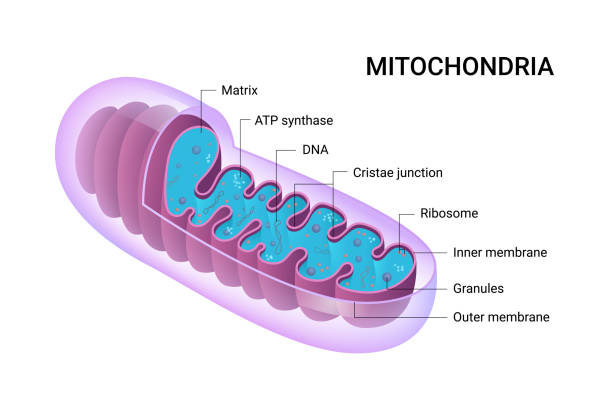
What Are Mitochondria and Why They Matter
Mitochondria are microscopic structures found in almost every cell of your body. Their primary role is to produce adenosine triphosphate (ATP) — the molecule that powers all cellular functions.
But their role goes far beyond energy. Mitochondria also:
- Regulate cellular metabolism and fat oxidation;
- Manage apoptosis (cellular self-repair or death);
- Control the balance of calcium, crucial for muscles and nerves;
- And act as central hubs for cellular communication and stress response.
When mitochondria are functioning optimally, your cells thrive. When they’re damaged or inefficient, energy drops — and the entire body feels the consequences.
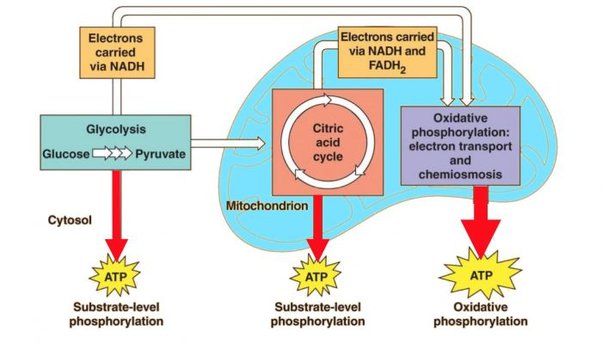
[image: mitochondria generating ATP energy inside cell]
How Mitochondria Affect Aging and Metabolism
As we age, mitochondria naturally decline in number and efficiency. This phenomenon, known as mitochondrial dysfunction, has been identified as a key driver of the aging process itself.
Research shows that:
- Mitochondrial DNA (mtDNA) becomes more prone to oxidative damage, reducing ATP production.
- Lower ATP levels mean slower metabolism, muscle fatigue, and increased fat accumulation.
- Declining mitochondria also contribute to neurodegenerative disorders and metabolic diseases like diabetes.
In essence, protecting your mitochondria may be the single most powerful anti-aging strategy available and a natural energy boost — one that works from the inside out.
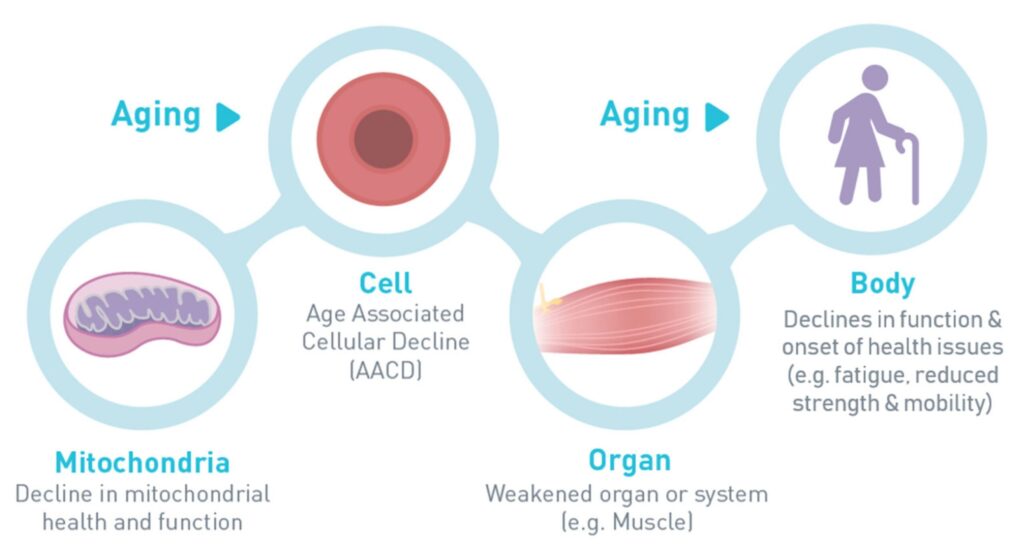
[image: human aging process and cellular energy decline]
Causes of Mitochondrial Damage
- Chronic stress – Excess cortisol disrupts energy metabolism and increases oxidative load.
- Poor sleep – Deep sleep is when mitochondria repair; lack of rest prevents this restoration.
- Toxins and pollutants – Heavy metals, pesticides, and synthetic additives generate free radicals that harm mtDNA.
- Inflammatory diet – Refined sugars, trans fats, and processed foods elevate oxidative stress.
- Sedentary lifestyle – Without regular movement, mitochondrial biogenesis (the creation of new mitochondria) slows down.
Several lifestyle factors accelerate mitochondrial decline.
Among the most common are:
📎 Tip: For practical strategies to minimize daily stress and improve energy, check our article How to Have Healthy Mitochondria: 7 Daily Habits That Protect Your Energy.
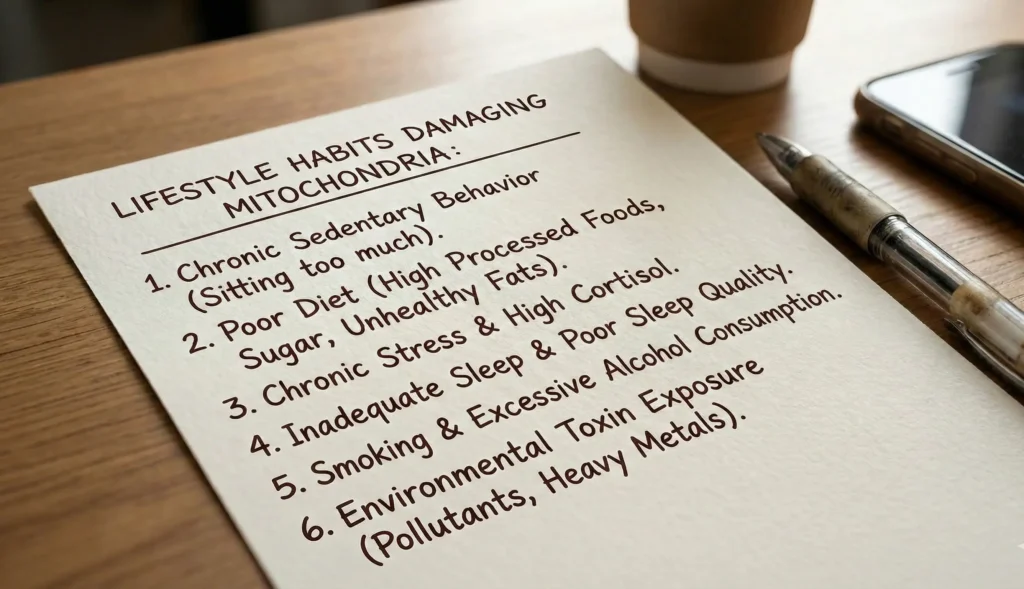
[image: list of lifestyle habits damaging mitochondria]
How to Improve Mitochondrial Health Naturally
Your mitochondria are resilient. With the right support, they can regenerate and multiply — a process known as mitochondrial biogenesis.
Here’s how to nurture them daily.
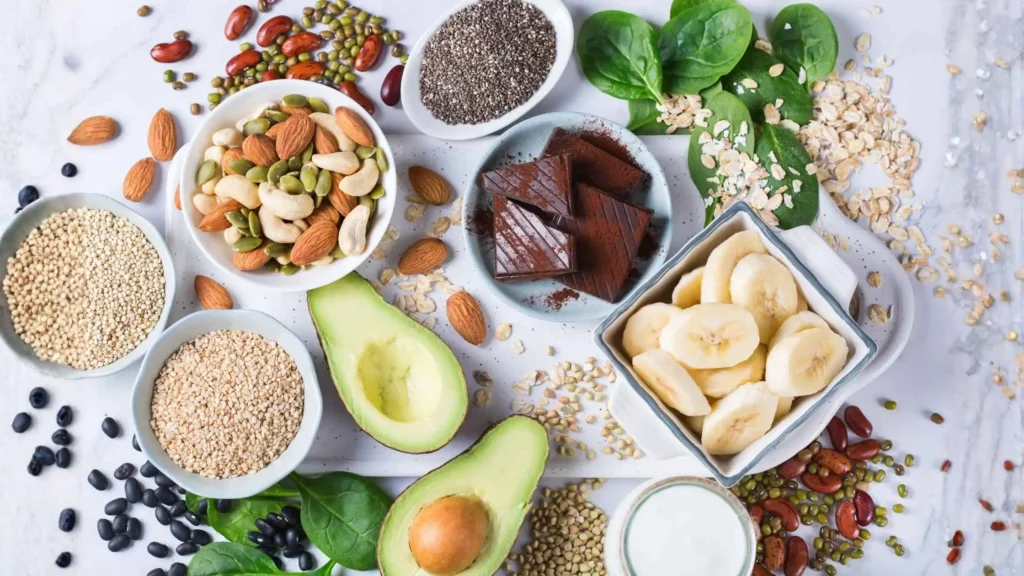
Nutrition and Antioxidants
Food is your mitochondria’s primary fuel and protection.
Focus on nutrient-dense, antioxidant-rich choices that combat oxidative stress and support ATP production.
- CoQ10 (Coenzyme Q10): Acts as an electron carrier in the respiratory chain, directly influencing ATP generation. Low levels are associated with fatigue and cardiovascular decline.
Consider supplementation if you’re over 35 or on statins, as natural levels decrease with age. - B-vitamins (especially B1, B2, B3, B5): Essential cofactors for mitochondrial enzymes involved in energy metabolism.
- Magnesium: Helps regulate mitochondrial membrane potential and ATP stability.
- Alpha-lipoic acid, PQQ, and resveratrol: Potent antioxidants that activate pathways (like PGC-1α) linked to mitochondrial growth and renewal.
[image: healthy foods rich in antioxidants and nutrients]
Exercise, Oxygenation, and Recovery
Physical activity is one of the strongest natural triggers for mitochondrial biogenesis.
- Aerobic exercise (walking, cycling, swimming) increases the number and efficiency of mitochondria in muscle cells.
- High-intensity interval training (HIIT) enhances oxygen utilization and stimulates mitochondrial enzymes.
- Proper recovery and breathing practices (like yoga or deep breathing) improve oxygen delivery and redox balance — vital for mitochondrial repair.
Consistent movement keeps your cells “younger” by continually challenging and rebuilding their energy factories.

[image: person jogging outdoors symbolizing energy and mitochondria health]
Supplements That Support Mitochondrial Function
While nutrition lays the foundation, certain supplements provide direct mitochondrial support — particularly as we age or face chronic stress.
- CoQ10 & PQQ: Synergistic pair for ATP synthesis and oxidative defense. [Find CoQ10 here]
- Acetyl-L-Carnitine: Transports fatty acids into mitochondria for energy use. [Find Acetyl-L-Carnitine here]
- Omega-3 (DHA/EPA): Maintains mitochondrial membrane fluidity. [Find Omega 3 here]
- Curcumin and NAC: Reduce oxidative inflammation that disrupts energy pathways. [Find Curcumin here]
Some advanced formulations combine these nutrients into evidence-based blends designed to restore energy at the cellular level.
Some evidence-based formulations, like Mitolyn, are designed to restore mitochondrial efficiency and natural energy.
Final Thoughts: Strengthen Your Cells, Strengthen Your Life
Your mitochondria are more than biochemical machines — they’re the rhythm of your vitality.
When they work efficiently, you think sharper, move faster, and age slower.
By combining balanced nutrition, regular movement, stress management, and intelligent supplementation, you give your cells the foundation to perform at their peak.
Take care of your mitochondria — and they’ll take care of every part of you.